
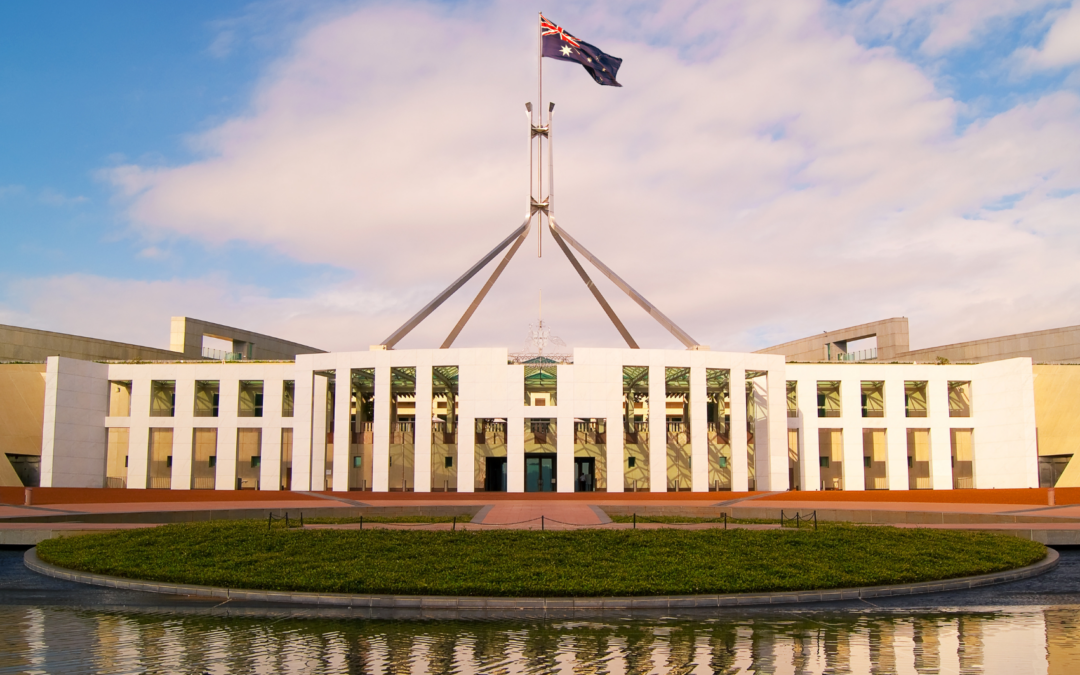
Source: NTAA Voice Magazine
With a Federal Budget due next week, we have heard rumours that changes to our taxation legislation are on the way.
A recent white paper released on tax reform proposes the following:
- Reducing the tax on working income by cutting the lowest marginal rate to 13% and cutting 2.5% off all other marginal tax rates.
- Reducing the CGT discount from 50% to 30% . “At 30%, it would still protect a real return on investments, while ensuring genuine asset growth is taxed more fairly, reducing artificial incentives to borrow to invest.”
- ‘Ringfencing’ losses from investments – this would only permit deduction of investment losses against investment gains, i.e. limiting negative gearing, reducing artificial incentives to borrow to invest, particularly in housing.
- A minimum rate of tax for investment income — a minimum rate of tax on earnings from investments, at 27.5%, reducing the advantage of income splitting through family trusts. Or via other means.
- Principled superannuation tax settings – superannuation taxes should be “tethered to a principled basis”, providing a stable, consistent discount relative to taxes on investment earnings outside superannuation.
- Budget neutral — “no new deficit, no new debt” — Ms. Spender states that every element of this package is carefully designed to be budget neutral over the medium term, with no increase in overall tax burden. Relief for working Australians will be funded by ‘dialing back’ concessions on earnings from assets and wealth.
Key Focus Areas and Expectations for the Budget
- Tax and Housing – property investors face significant changes, with Treasury modeling revisions to negative gearing and capital gains tax discounts. The budget faces pressure to meet the 1.2 million homes target.
- Economic Strategy – the government is expected to target productivity improvements, particularly through artificial intelligence adoption, as urged by business leaders.
- Fiscal Position – a net budget improvement is projected, driven by higher-than-assumed commodity prices (coal/LNG) and elevated inflation raising tax receipts.
- Cost of Living – while specific initiatives are pending, the 2025-26 budget previously set a precedent with energy relief through late 2025 and ongoing Medicare improvements.
- Energy and Industry – potential windfall taxes on coal and gas companies are under consideration, along with sectoral support for green energy transition.
The key here is that we know changes are coming, it’s just a matter of what & when. Stay tuned and we will provide a full brief of all changes that occur in the Federal Budget due to be handed down at 7.30pm, Tuesday 12 May 2026.